
Blog
Recent Updates
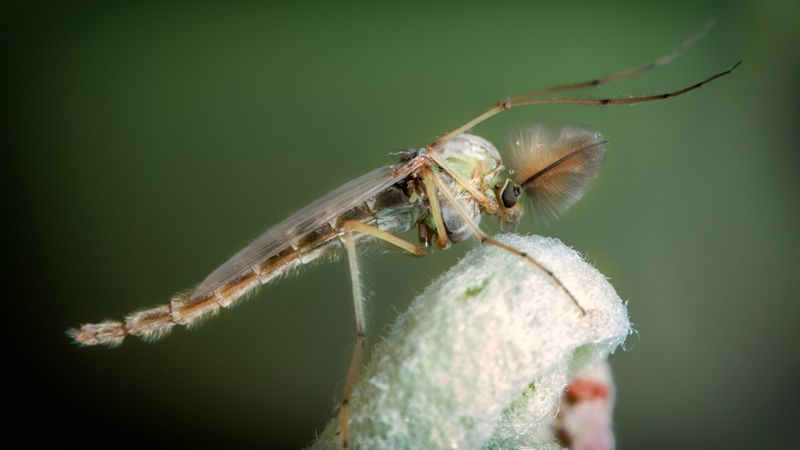
Mosquito Control....Without the Chemicals
Adult mosquitos only live about 30 days. They constantly rely on the survival of their eggs to hatch into new adults. Breaking the lifecycle keeps the mosquito bite away all summer. An organic approach is eco-friendly, pet-safe, and worry-free.....all while protecting the "good insects" that we want to visit our gardens, like bumblebees, honeybees, fireflies, and other pollinating insects.
more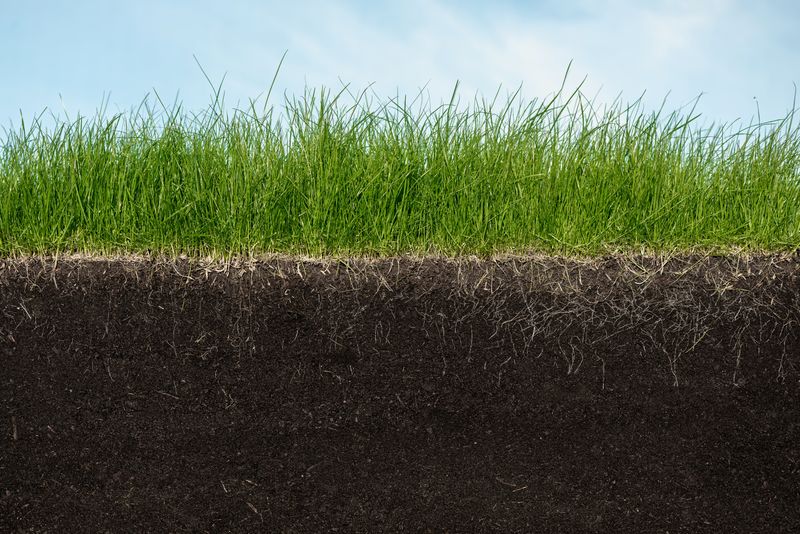
Core Aeration for a Greener Lawn
Soil compaction causes unhealthy grass roots. Roots have to work harder to access water, air, and nutrients in the soil, and they don't grow as deeply as they should to avoid drought stress. A core aeration helps reduce compaction and bring these three vital ingredients for lawn health....directly to the root zone. How can you tell if an aeration can help your lawn? When is an aeration not such a good idea?
more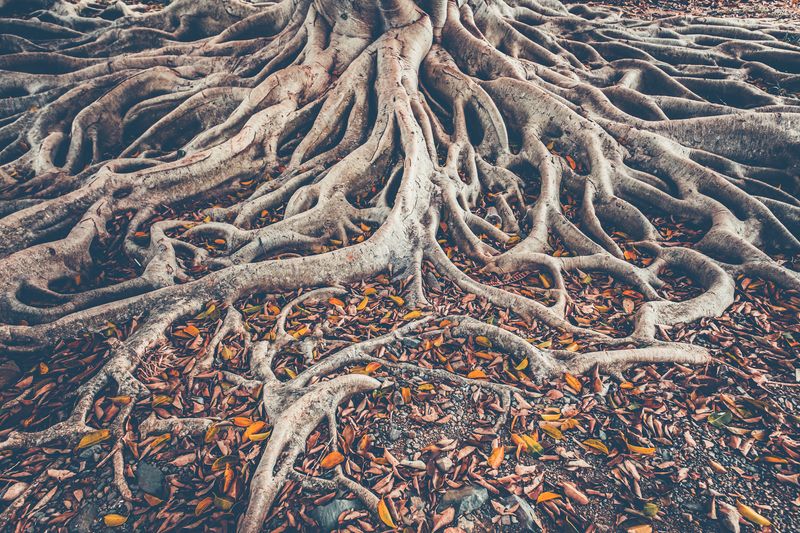
Preventative Tree Health Care
A shade tree can add $20,000 (or more) to your home's value. Why wait for a tree disease to cause damage, when preventative care costs so much less? Trees naturally thrive in a healthy environment, but here in our urban environments, because of damaged soil health, our shade trees may need a little extra help from us. A deep root feeding for your tree will feed the soil, which supports "nature's soil internet" that tree roots tap into to reduce stress during drought and access nutrients to avoid vulnerability to disease.
more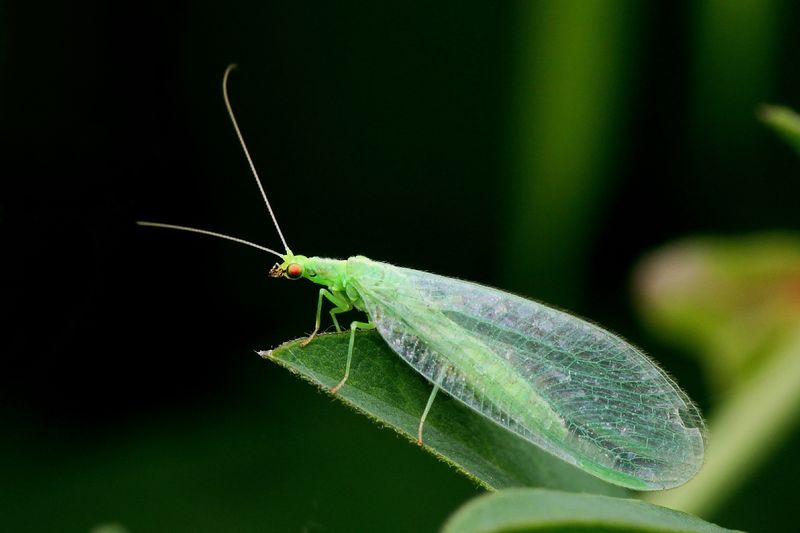
Your Plants Have a Stomach Too
March 12th is the North Texas average last frost date. That means insects will be returning to your landscape, once the danger of frost has passed.....both the helpful bugs, and the ones that cause disease for trees, shrubs, and grass. To prevent insect damage this summer, get ahead of the pests with an organic pest control solution. Healthy plants live in healthy soil. Like our stomach gut, the soil breaks down nutrients and keeps plants naturally healthy. Unhealthy soil is often the #1 cause of unhealthy plants, making them vulnerable to insect attack. Beneficial Nematodes are an organic way to protect your lawn, shrubs, and trees from insect pests, without harming the good insects (like this green lacewing that will eat aphids for you).
more
The War in Kids' Minds
1 in 5 children today struggle with a war in their mind. Nearly 20% of children and teens nationwide (aged 3-17) struggle with a mental, emotional, or behavioral challenge (according to the American Academy of Pediatrics). The challenge causes academic performance, family dynamics, and their happiness to suffer. Athletes use meditation to help quiet their mind, focus during the game, and reach peak performance. Schools are now using meditation to reduce behavior problems. And Green Schoolyards offer children a place to explore and develop healthy minds and bodies.
more
4 Kid-Friendly Ways to Celebrate Winter
Winter break is almost here! Teachers, you've almost made it. Winter break means lots of fun and festivities inside where it's warm. But if your kid, or kids, have a tendency to get bored, you might enjoy these four ways to get them back outside exploring.
Did you spend your childhood (before cellphones) outdoors playing during winter? Give the gift of nature to your kids this season, and pass on your memories and even make a few new ones this holiday season. Here's how.
more
Preparing for Winter
In North Texas, the first freeze of the winter normally happens around November 20th. It's been unusually warm this year, but it's coming soon! Is your landscape ready for the freeze? Here's our seven tips to get ready for the first frost and how you can use this time to get ready for spring. (Photo: Purple Coneflower seed heads with frost).
more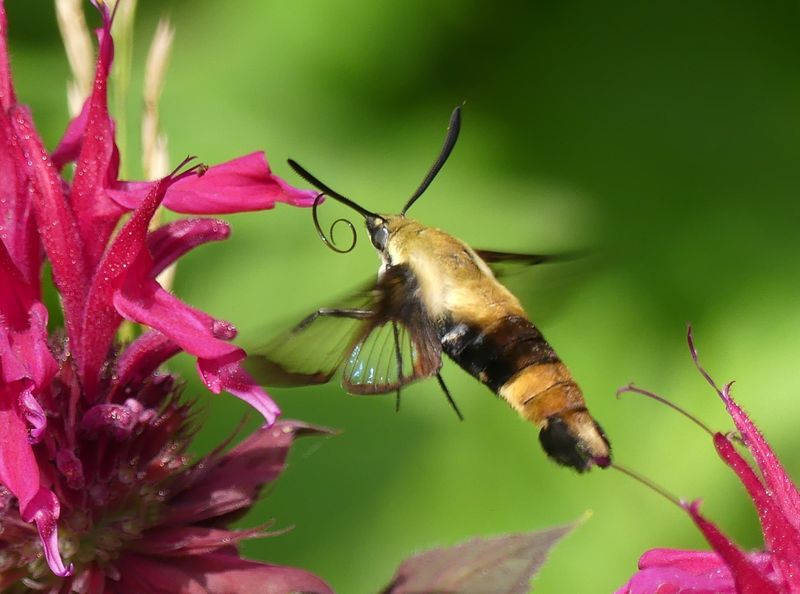
The Earth Day Schoolyard BioBlitz
Ben Strube
Join us March 15 - April 15 for the Earth Day Schoolyard BioBlitz. Get your students engaged in learning STEM subjects and exploring future career paths. Invite your students and their parents to join you and compete with other schools to win a free wildlife garden for your school. Do your students know the names of 5 trees, 5 wildflowers, and 5 butterflies that are native to DFW? If not, there are tons of great wildlife sanctuaries in DFW to go on a fieldtrip. STEM careers are the jobs of the future. Get kids excited about all of our incredible biodiversity at our city parks, wildlife sanctuaries, and in our own backyards.
School Principals, you can help your students improve STEM test scores by creating a free wildlife garden at your campus when your PTA hosts a successful BioBlitz. Soils Alive is donating free plants for school gardens during our Earth Day plant sale. Get your students more engaged with their teachers to learn about the scientific method, nature observation, data collection, biochemistry, and AI innovations in nature research. Photo Credit: the Snowberry Clearwing by Karalyn (CC BY-NC).
more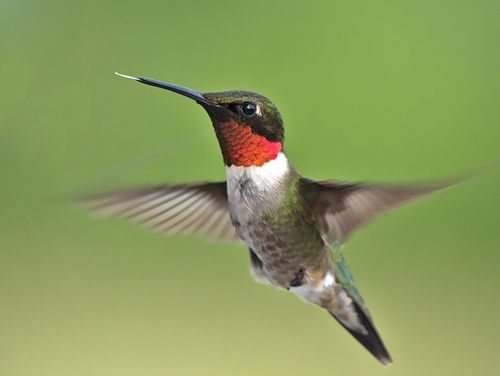
Neighborhood Wildlife Gardens
Ask any Realtor and they'll tell you: homes located close to parks are worth more. That's why most HOAs in DFW have a beautification program. City parks have trees and grass. But it's up to HOAs to add more amenities, to help elevate property values even higher. A butterfly wildlife garden is one way to add more value to your neighborhood. That's why Soils Alive starting in 2026 will begin offering HOA Neighborhood Beautification kits. Our kits include 20 types of drought-tolerant plants to help you easily build a new no-irrigation, pollinator-friendly, wildlife area as a new amenity at your city park.
Beautification can get expensive real fast. Walking trails, bike trails, planting trees. Costs can range from $10,000 to $200,000 and beyond. Start small. Talk to your HOA members about a 2000 square foot butterfly garden you could do for under $1500. Check if your city has a matching program, so your HOA members pay $750 and the city helps with the rest, to raise property values helping fund the city.
If your HOA is right by a city park with open land (that the city already would like to cut back on irrigation costs), there's no reason why you couldn't ask to put in a wildlife garden to attract hummingbirds, Monarch butterflies, and more. City budgets are tight right now, with a 3.5% cap on tax revenue growth by the State since 2019. Leaders For Local Control is working to make investment easier for cities, not harder. But for now, the contributions your HOA members can pitch in goes a long way to adding beauty to green spaces in your city.
more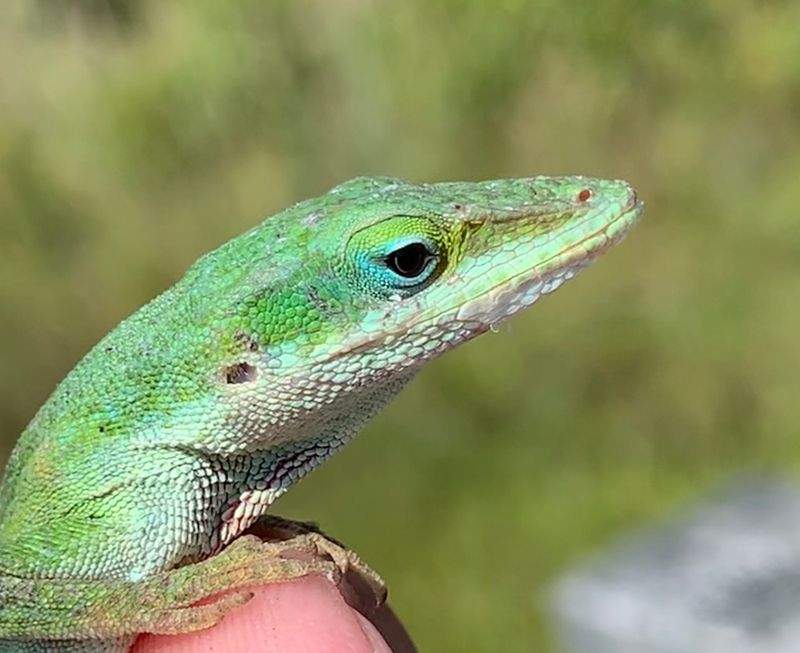
Bringing Life Into Your Garden
Once your garden is built, and your plants start growing and filling in, you’ll begin to see life start moving in. When you incorporate a few simple things into your garden, you’ll start attracting butterflies, skippers, (non-stinging) bees, beetles, dragonflies, frogs, lizards, birds, moths, and beneficial insects.
If your garden is at a school, it will give kids one more reason to be excited to come to school, helping boost attendance. There’s nothing like a school garden to motivate kids to want to learn on their own, helping them get ready for test days and making your school stand out in the community. In this article we’ll explore all of the life that your DFW garden will help support, to give you a glimpse at what you can expect from your garden in the years to come. Photo Credit: Ty Smith (CC BY-NC). The Green Anole.
more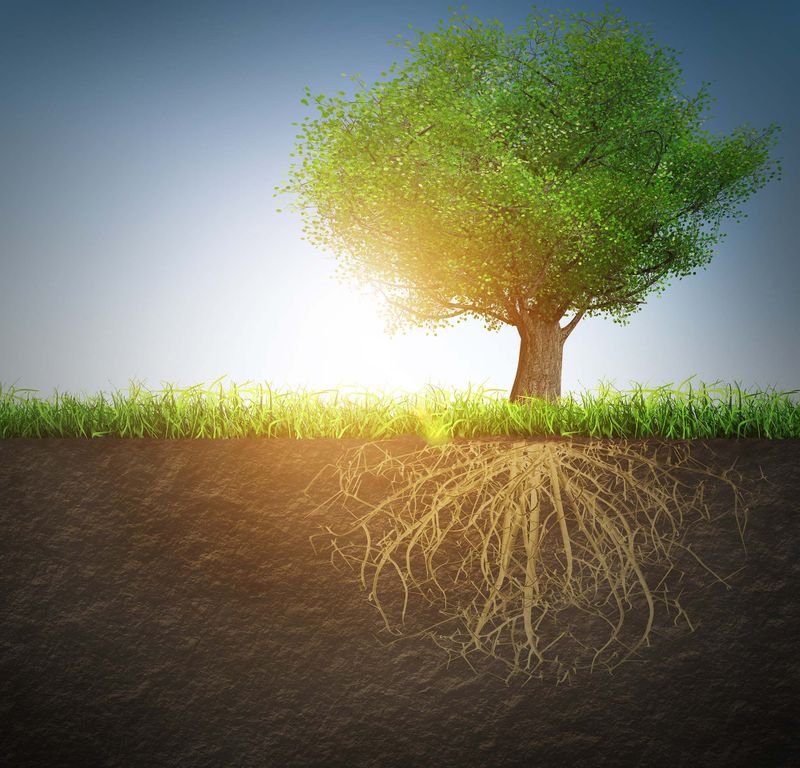
Why Build School Gardens?
Richard Louv published his book, Last Child in the Woods, in 2005. Since then, more and more public schools have realized the importance of providing children with interactive spaces to engage with nature. There are over 3000 school gardens in America today. School gardens provide several benefits: support for children's mental and physical health and improved academic performance.
Schools that have incorporated more community gardens into their campuses have popped up across the country, including in Flagstaff, Denver, Seattle, Oakland, Little Rock, Atlanta, Cincinnati, Chicago, and right here in Texas in Austin and Houston, and many schools in the DFW area. Richard Louv describes Nature Deficit Disorder, a phrase he coined, as “the human costs of alienation from nature,” a modern problem that he believes really began in the 1970s. His book inspired the creation of the Children & Nature Network, which has provided support to public schools to bring nature back to their campuses with the Green Schoolyards initiative.
more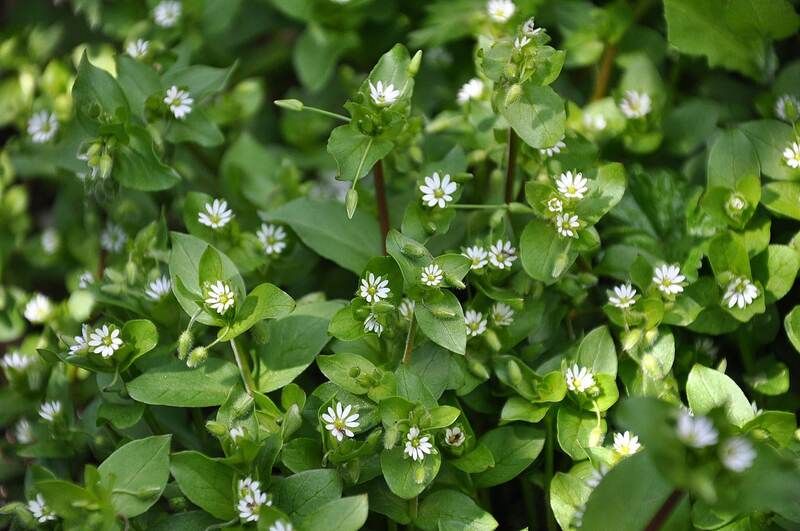
Prevent DFW Lawn Weeds in September
In DFW, we finally get a break from the heat of summer in September. But your lawn still needs one more thing from you: fall weed prevention. As we move into cooler temperatures, cool-season weeds will start germinating and creeping into the yard. Prevention is a lot easier than treatment, and September is the right time to prevent these weeds in DFW.
more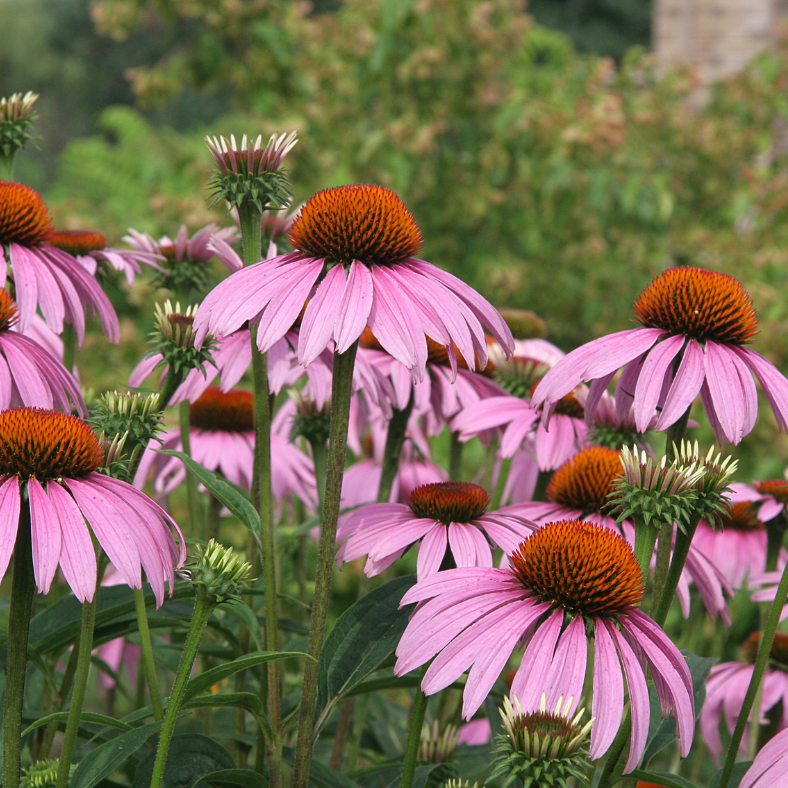
25 Plants to Attract Butterflies in DFW
DFW summers are hot and dry. Outdoor watering in the summertime often contributes to 40%+ of your water bill. In the 25+ years that Soils Alive has been working with DFW homeowners, we've advised many of our clients to update their landscaping with native plants. Native plants are well-adapted to our DFW weather and our heavy clay soils. Plus, when you use native plants, you'll also attract hummingbirds and butterflies.
Some of the plants we recommend are native to DFW (or other parts of Texas), while others are not from Texas but are very well adapted to our hot, dry summer conditions. If you're redesigning your entire landscape, we highly recommend Nativo Gardens for their landscape design experience with natives. If you want to start small and put in a 150 square foot wildlife garden, we sell trays of 20, 4" plants through Parent-Teacher Associations (PTAs) in DFW to help them raise money for their schools and you get access to high-quality perennial plants. Our trays of 20 plants provide you with 8 or more different types in a random mix, based on what's in stock and of highest quality. Here's the 25 plants we highly recommend for DFW homeowners.
more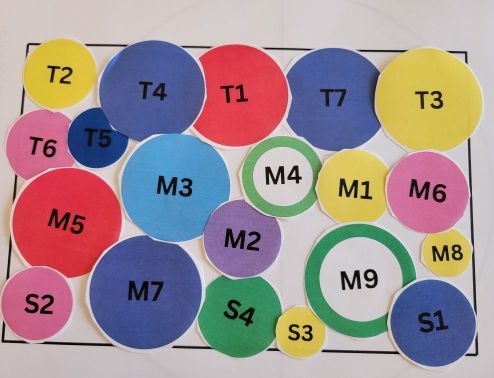
Building Your Butterfly Garden at Home
In this guide, we'll show you how to design your butterfly garden, how to prepare your site, and take care of the plants. We'll show you how to create your garden DIY with $100 for plants and about $50 for other materials. Or hire someone for another $150 to help you build it.
more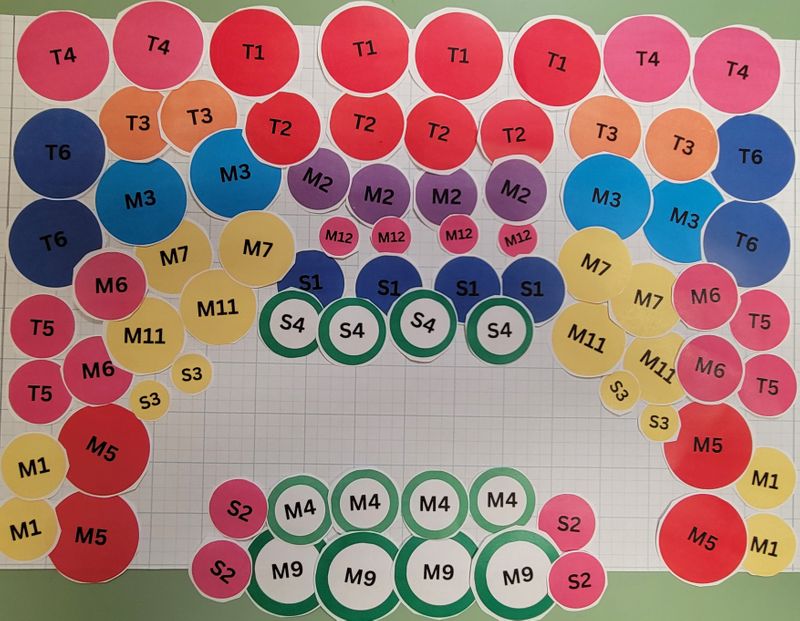
How to Build a School Garden
Now that we've looked at why children need school gardens, and how gardens improve academic performance, let's look at how to build the garden in this article. DFW has heavy clay soil in most areas, and so in this guide we're going to avoid the heavy work of doing anything to the existing soil. You'll just cover the existing grass with mulch (and a weed barrier), wait a few months, then come back and plant. Very simple. Very low-cost and it gets the job done. Once you have your installation all planned, feel free to use one of our garden design templates as you think about how you want your school garden to look.
more
6 Reasons to Hire Soils Alive
Why hire Soils Alive? Because you expect high-quality service, good communication, and a great looking lawn and landscape. And you're tired of paying and not getting the kind of service that you need. We're a local, family-owned company. We have over 700 Google reviews. Over 95% of these are 5 stars. Lots of our clients have been with us 10+ years.
We don't require you sign any contract to get started with us. You can cancel anytime. We earn your business every day, not just when you sign up. We don't have a corporate 1-800 number. When you have questions or concerns, you can reach your Account Manager by text, email, or call....right away. We offer a modern, scientific approach to lawn care that uses the very best of what organics can offer, with minimal use of herbicides. And we support public school teachers and help kids reconnect with nature for better mental health with our native plant sales.
more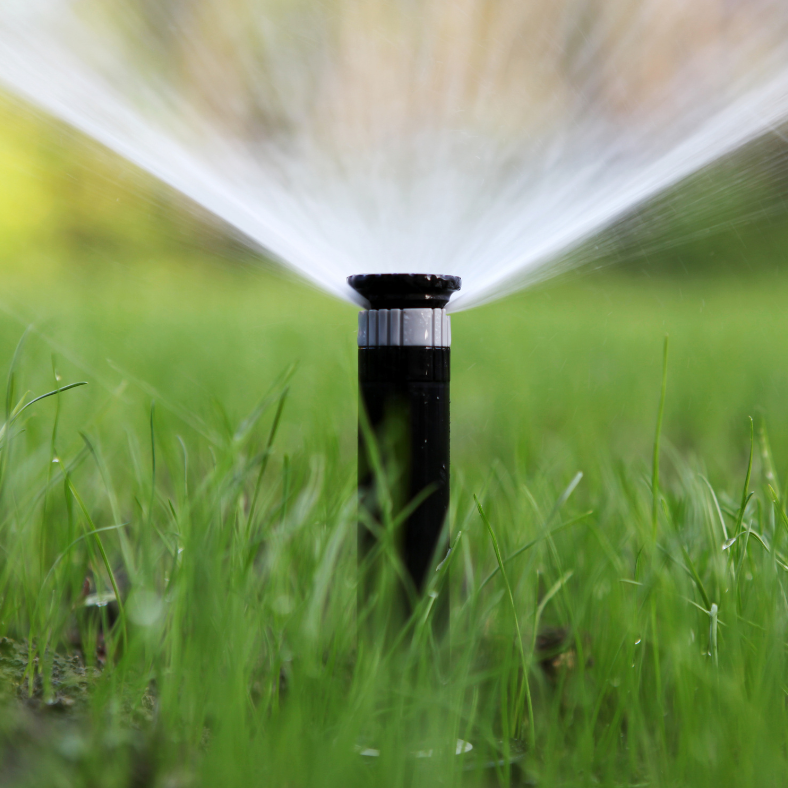
Water Smarter This Summer: 10 Tips to Save Money
Step one? Get an irrigation system audit. Many DFW cities offer this for free. After you get your audit report, reach out to a licensed irrigator to make the repairs and changes that your system needs. With Soils Alive, we give you the same soil moisture management tools that golf courses use, so you can water smarter not harder. Cutting your water bill can be done. Here's our 10 tips to save money on water.
more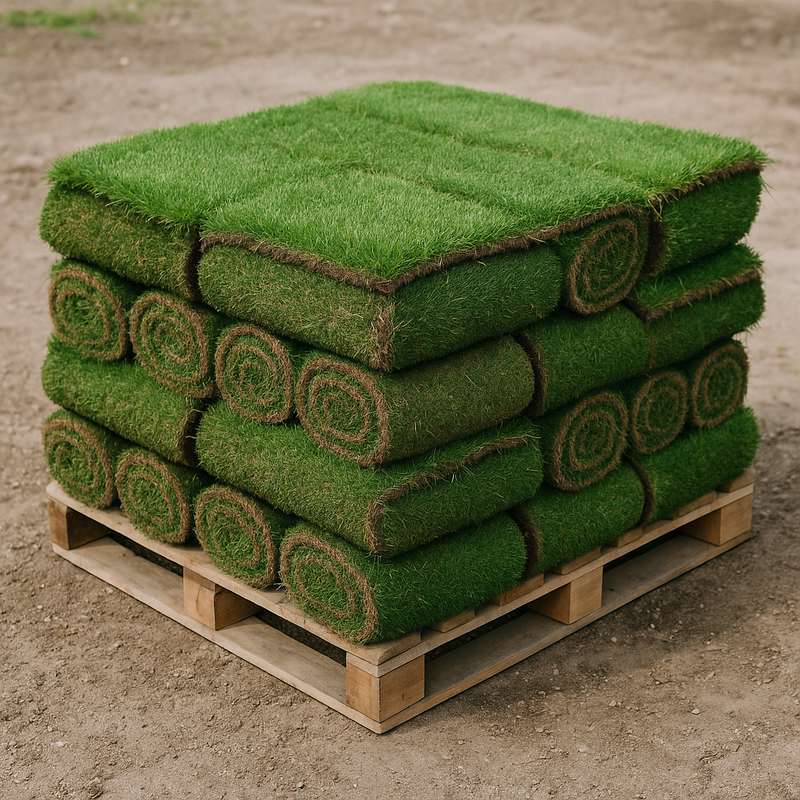
10 Tips to Help New Sod Thrive
Buying new sod. It's a big investment, and a lot can go wrong without careful preparation of your site. Sod that dies is most often due to not following a couple of best practices to care for the sod after installation. Grass doesn't just die. It suffers from neglect or mismanagement. At Soils Alive, since 1997 we've provided DFW homeowners with organic lawn care backed by science that prevents weeds, insects, and diseases and helps support healthy turfgrass. In 25+ years, we've learned many of the common problems homeowners face. Here's our 10 Tips to Help New Sod Thrive.
more
When Is It Too Cold To Fertilize Your Lawn?
When it comes to giving your lawn a feeding or nutrient boost, timing is everything. You’re probably aware that fertilizing in spring and feeding in the fall is crucial for a lush, green lawn. It’s also great to know how early is too early, and how late is too late to spread some fertilizer on your grass. Is there a temperature threshold where it’s just too darn cold to get good results? Or risk involving or attracting pests and fungus?
Luckily we’ve got most of the answers and we’ll dive into your grass’s ability to make the most of fertilizer during the colder season.
more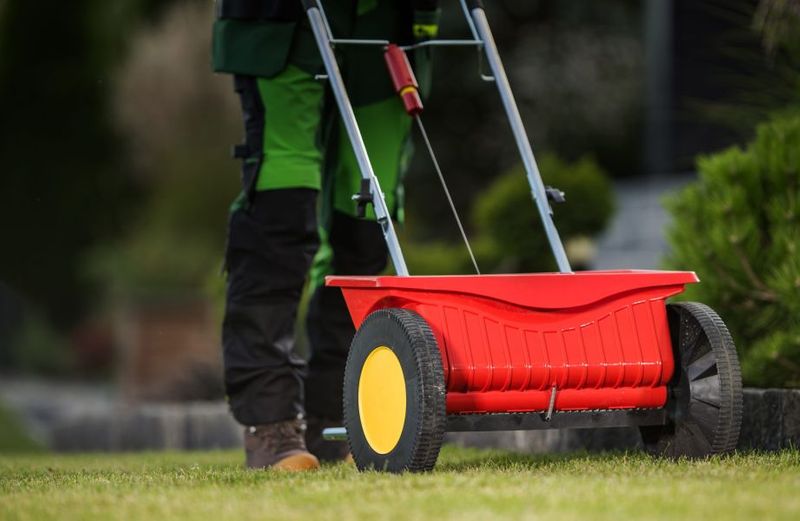
How Much Does Lawn Fertilization Cost?
When it comes to feeding your lawn you want to focus on quality but at what cost? A one-time fee to fertilize might be around $400 if you’re working with a typical lawn company (which can be a lot). If you’re lucky enough to work with a lawn care expert to handle your fertilization and feedings throughout the year – your price structure will look a lot different (and save you money over the year). When buying your own products it might cost anywhere from $90 and $600 to get everything, depending on who you ask.
Now, here’s the deal: if your yard is on the smaller side, your bill will probably be much less. But, if you have a large yard, expect the digits to climb. There are a few other things that influence price variations as well – like what kind of fertilizer you’re opting for and whether you’re calling in the pros or making it a DIY adventure.
Wondering if we can help with your lawn fertilization? Call us or fill out our contact form.
more
Can You Fertilize Your Lawn During Fall? (Here’s How)
Autumn ushers in so many fun activities – cozy backyard movie nights, pumpkin spice lattes, and finding those Instagram-worthy fall photos. Don’t forget about your lawn either, Giving it some love this fall can set the stage for a vibrant, lush lawn next year. Wondering about fall lawn fertilization? Dive into our article for all the details.
more
Is Organic Lawn Care Worth It? (From Organic Lawn Care Experts)
Who doesn’t dream of that picturesque, vibrant green lawn, free from the clutches of relentless weeds? We all do. But here’s the catch: the conventional path to that dream often involves dousing our lawns with a cocktail of chemicals, from pesticides to fertilizers. It might seem like a quick fix, but the environmental toll is starting to weigh heavy on our conscience.
Consider this: homeowners collectively unleash a staggering 100 million pounds of pesticides into their yards every year, raising legitimate concerns about the impact on our beloved lawns and our cherished families.
So, if you’ve ever pondered the possibility of a beautiful lawn that also plays nice with the planet, it’s time to delve into the fascinating world of organic lawn care. This article is your gateway to discovering whether the pursuit of an eco-friendly, flourishing lawn is not only possible but entirely worth it.
more
When to Fertilize Lawn in Texas: The Seasonal Guide
Curious about when to give your Texas lawn that much-needed nutrient boost? You’re in the right place! Texas homeowners should consider fertilizing their lawns once or twice each season (depending on their lawn feeding strategy) for that evergreen, lush look. It’s all about making sure your soil gets the goodies it needs to keep your grass vibrant and robust throughout the year.
more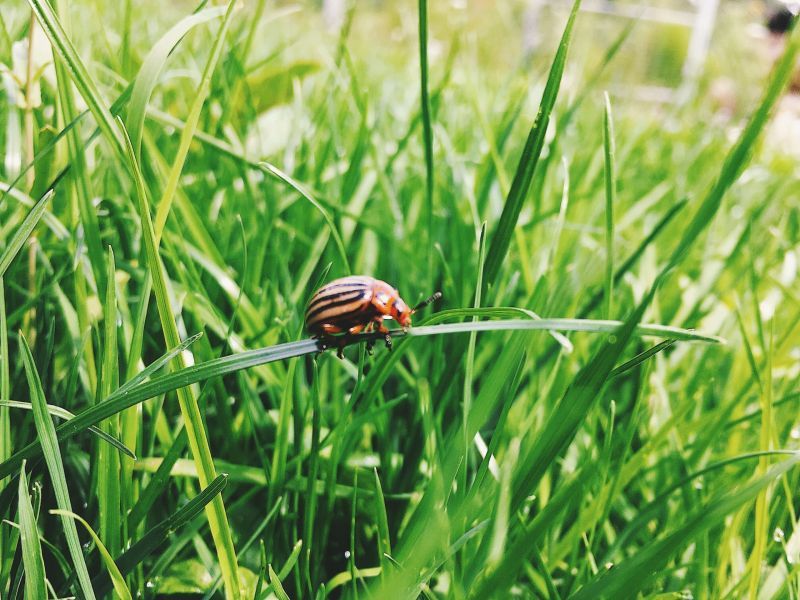
How To Get Rid Of Lawn Mites – From Lawn Care Experts
Are you dealing with a lawn mite infestation? It can be frustrating and overwhelming when pests overrun your outdoor space. But luckily, there are ways to get rid of them! In this article, we’ll discuss how to tackle a lawn mite problem from the experts in lawn care. We’ll cover all aspects from identifying the signs of an infestation to choosing the right pest control measures. So if you’re looking for tips on getting rid of pesky mites, then you’ve come to the right place! Keep reading to find out more about tackling your lawn mite problem.
more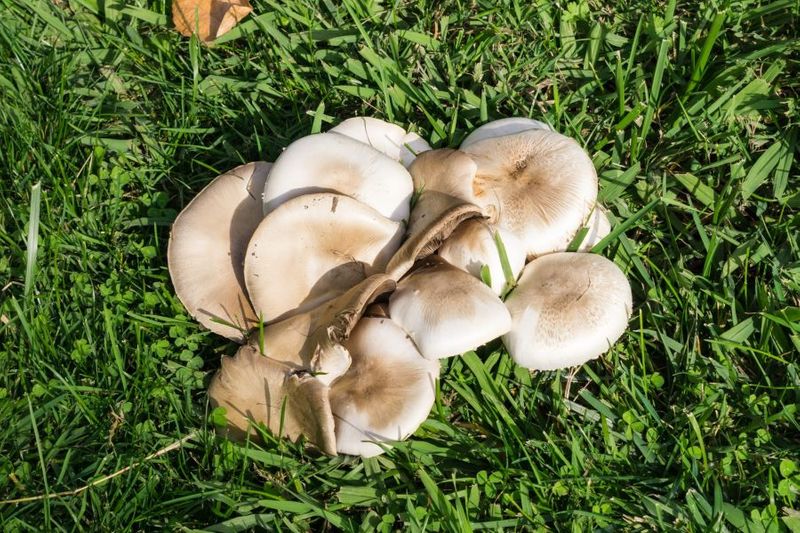
How To Kill Lawn Fungus: Identify & Treat It
Fungus on grass can be a real pain to deal with. Not only can it cause unsightly patches of discolored and dead grass, but it can also make your lawn look unhealthy and unkempt. Fungus can also cause serious damage to your turf, leading to costly repairs. Fortunately, there are ways to identify and treat fungus on grass. In this blog, we’ll discuss how to identify different types of fungus, how to kill lawn fungus, and preventive measures you can take to reduce the chance of fungus appearing on your lawn. With the right knowledge and the right steps, you can keep your lawn looking green and healthy all year long.
more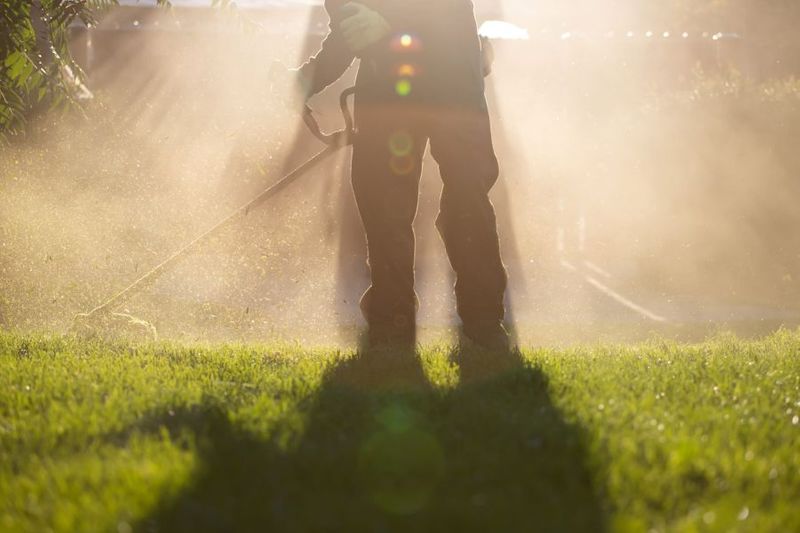
How to Care For Lawn During Drought (Advice from lawn experts)
It has been a dry year and your lawn is starting to show it. Brown patches are beginning to form and the grass doesn’t seem to be as green as it used to be. Don’t worry, we have some tips for you on how to care for your lawn during a drought. Keep reading for information on irrigation, fertilization, and more!
more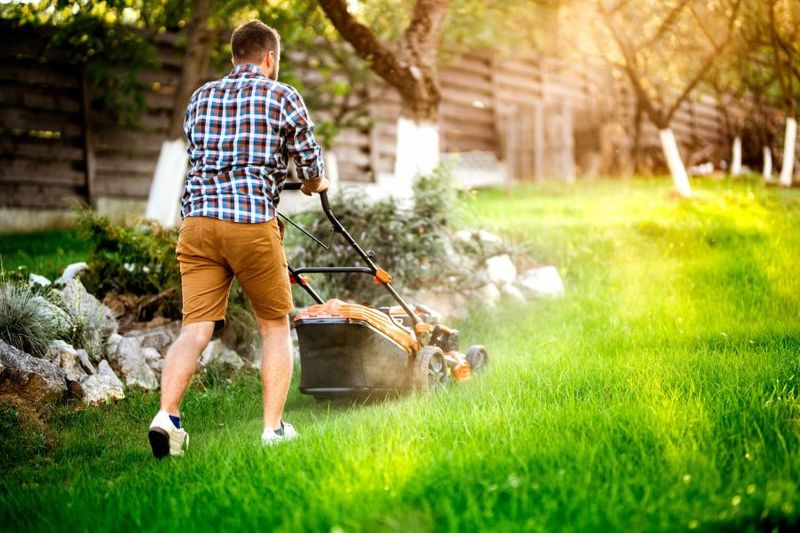
How Often Should You Mow Your Lawn? (Tips From Lawn Experts)
Mowing your lawn is an important part of taking care of your home. It keeps the grass healthy and looking good. But how often do you need to mow it? And does the type of grass you have change mowing frequency? In this blog post, we will answer all of your questions about mowing your lawn!
more
What Can You Do to Make Your Lawn Stand Apart?
For most, winter had been hard this year, which means it’s the perfect time to start planning for a beautiful lawn. So how should you begin planning for your landscaping projects? According to LandScapingProfessional.org, an estimated 67% of landscaping projects in the U.S. involve single-family residential homes. Therefore, this guide is written for single-family homes looking for natural lawn care services.
more
What’s The Best Type Of Grass For Your Lawn?
Choosing the right kind of grass can be, well, overwhelming. With so many species of grass and varying degrees of hardiness, choosing the right grass is crucial and largely tied to where you live. Put simply, you need to choose a grass that grows best in your local climate since not all grass species are equal. In the United States, the three most common grass types in yards are Cyperaceae (Sedges, Bullrushes), Juncaceae (Rushes), and Poaceae (Grasses). While all three of these species grow throughout the world, Poaceae is the most common grass species. There’s a tidbit for the next time you go to trivia night! So just how do you choose which grass species is best for your lawn?
more
Why Landscaping Is a Better Investment Than You Might Think
When it comes to home improvement projects, landscaping is often overlooked in favor of more flashy options like renovating the interior or installing a new roof. But landscaping can be a wise investment that pays off in the long run, and here are five reasons why.
more
Why Is Your Lawn Turning Brown?
When you spend a significant amount of time on your lawn, the last thing you want to see is it turn brown. Unfortunately, there can be a number of reasons why your lawn is no longer green. Let’s learn about them so you can get a better idea of how to care for your lawn properly.
more
Keep Your Lawn Healthy With These Tips
Proper lawn mowing is a critical part of keeping your lawn healthy. However, there are a few other key tips you should keep in mind so your grass can be as healthy as possible. Let’s delve into ways you can ensure your lawn’s health is in tip-top shape.
more
5 Reasons To Invest More Time Into Your Lawn & Outdoor Space
Do you dream of the day when you have a lush green lawn? Do you feel like you cannot get green grass no matter how hard you try? Most homeowners work hard on their grass every year and find themselves disappointed. According to a survey by Harris Poll for the National Association of Landscape professionals, about 75% of Americans think it is essential to spend time caring for their lawns. There are five reasons why your grass is not green.
more
What Your Lawn Says About You as a Homeowner
There are many benefits to ensuring that your lawn is healthy. Considering that around 67% of homeowners in the U.S. agree that an organic lawn service would help them enjoy their yard more, it’s no secret that there are plenty of healthy lawns to use as inspiration. With that in mind, let’s review a few things that a healthy lawn says about you as a homeowner.
more
The Time Is Now to Get Your Yard Ready for Winter
Winter can be a very harsh season. As such, you need to take time to prepare your yard and ensure it’s ready for the cold weather. Here are some winter yard preparations you’ll want to make.
more
Your Early Winter Lawn Care Checklist
In the United States, approximately 50% of homeowners who have upgraded their lawns spend more than six hours outdoors weekly. This is according to a 2016 trends study by Houzz Landscaping and Garden. For a healthy and lush lawn, however, proper care from natural lawn care services is required, especially during the beginning of the winter season. Read on to find out the ultimate lawn care tips that should be in your November lawn care checklist.
more
How to Get the Best Return On Your Lawn
Every homeowner wants to have a great-looking lawn. After all, there’s nothing better than staring out your front window and seeing lush, green, well-manicured grass. One way to get your lawn looking its best is to hire an organic lawn service. The professionals can plant grass seed, mow your lawn, rid your lawn of weeds, and make sure the lawn is watered properly.
Spending just 5% of your home’s value on landscaping can give you as much as a 150% return on investment. So, to get the best return on your lawn, here are some steps you can take.
more
How to Love Your Lawn: Three Care Taking Tips
Agreen lawn is any homeowner’s pride and joy, better yet if you get it using natural fertilizers. After all, you want your grass to not only appear greener, but actually be greener from the other side! Have a look at three ways in which you can take care of your lawn below, and get the lawn you deserve.
more
3 Benefits Of Lawn Care You Never Knew
Taking care of your lawn can have many benefits, some of which may be surprising. If you’ve been thinking about whether or not caring for your lawn is worthwhile, here are three benefits to consider that you may never have thought of.
more
You Need to Complete These Lawn Maintenance Tasks Before Fall Ends
Taking care of your lawn might not seem like a year-round gig if you live in an area that sees all four seasons, but that’s just not true. Fall lawn maintenance is just as important as spring cleanup! From natural fertilizer to clearing leaves, here are three fall lawn maintenance tasks you can’t forget about.
more
What Are the Benefits of Organic Weed Control?
When you want to keep your lawn looking great, it’s important to consider weed control services. But not all weed control is created equal! Here, we’ll explore some of the benefits that come with investing in organic weed control for your lawn.
more
Knowledge Is Power: 3 Lawn Care Facts to Help You Take Care Of Your Lawn
There are approximately 40 million acres of lawn in the United States. While having a well-maintained lawn is every homeowners’ dream, it needs input for those exceptional results. You need to carry out routine maintenance, use organic fertilizers, and also protect it from all kinds of invasions.
Additionally, knowing the right type of grass to plant on your lawn makes the work easier for you. You have to choose from the three types of grass, which include Cyperaceae (Bullrushes, Sedges), Juncaceae (Rushes), and Poaceae (Grasses). While these three types are found worldwide, the Poaceae grass is the most preferred in the United States. Read on to learn some lawn care facts that will help you take care of your lawn.
more
When Is the Best Time to Fertilize Your Lawn?
In the U.S, approximately 67% of landscaping projects involve single-family residential homes. While several practices such as trimming and pest control ensure your landscape looks good, fertilization is essential for an exquisite lawn. To ensure your grass gets an even supply of Nitrogen and other essential elements, ensure that you apply your natural fertilizer three to four times per growing year. Read on to know the right time to fertilize your lawn for both warm and cool-season grass.
more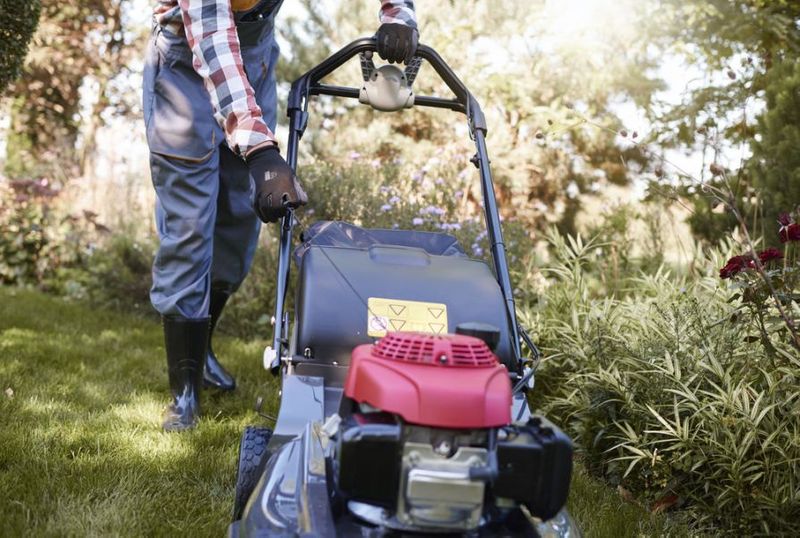
What Does Organic Mean When it Comes to Lawn Care Products?
Organic lawn care is more expensive than traditional lawn care but it has many benefits. It is safer for the environment, people, and pets. The products they use are more natural and do not have harmful chemicals. The fumes from some fertilizers and sprays can cause health problems in children and adults. About 60 percent of potential homeowners say a well-landscaped yard helps sell a home. An organic lawn service provides a safer environment for children, adults, and pets.
moreWhat Is the Best Type of Compost to Use in Your Garden?
Roughly 67% of Americans believe that they would have a nicer yard if they employed professional landscaping. This is according to a recent survey by Harris Poll for the National Association of Landscape Professionals. Although this is not far from the truth, you can achieve a perfect yard by using compost and other maintenance hacks.
Adding compost to your garden is a surefire way to boost the soil’s health whether you want to plant fruits or vegetables. However, choosing suitable compost is crucial because composts vary according to their ingredients.
The ideal compost should have balanced nutrients, a good structure, and texture. However, you can get compost that is customized according to your purpose.
more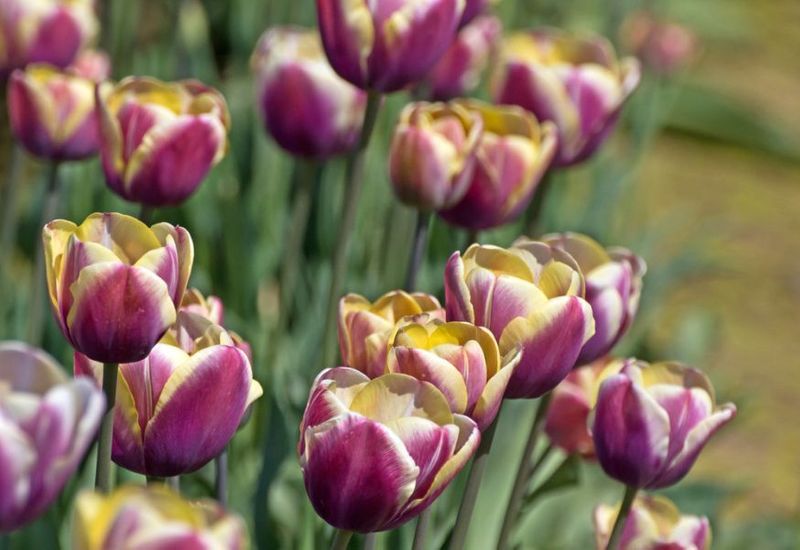
3 Advantages of Making the Switch to Natural Lawn Fertilizers
Taking care of your lawn is an important task. And if you’re using synthetic lawn care products, you might be missing out on all of your lawn’s true potential. If you’re considering making the switch to natural lawn fertilizers, here are a few advantages you need to know about.
more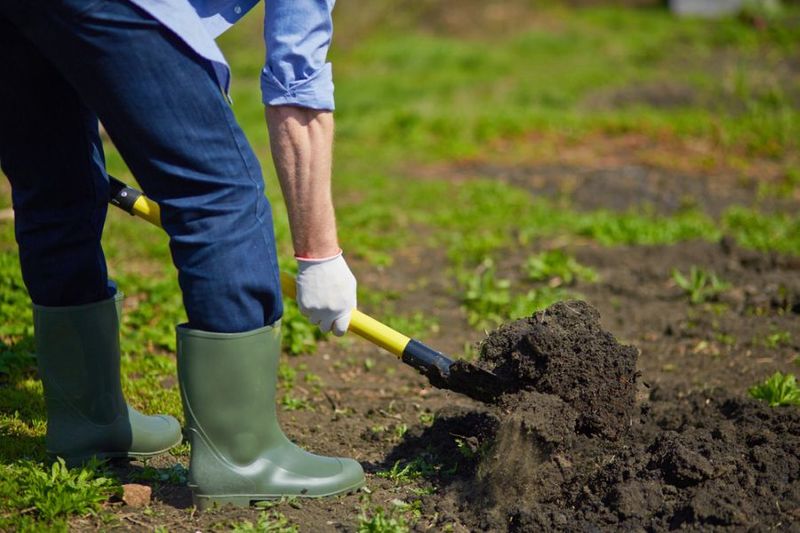
3 Common Organic Fertilizer Mistakes
When it comes to fertilizing, there’s a delicate balance between doing it right and doing too much or too little for your lawn. Whether you use organic fertilizer or not, here are some of the most common fertilizer mistakes to avoid with your lawn.
more
3 Important Questions to Ask Your Weed Control Service Provider
Hiring a weed control service provider can help you keep your lawn looking amazing, but it pays to understand the services you’re soliciting. To that effect, here are three important questions you need to remember to ask your weed control service provider.
more
How Organic Lawn Care Can Help a Burned Lawn
Your lawn is suffering and you’ve already taken fertilizer from the bag and thrown it on the grass with the hopes that you’ll have green and healthy grass in a few days. However, you now notice that you have some severely burned spots on your grass. What happened? It’s time to contact a professional organic lawn service to help you remedy that burned lawn. Let’s explore some great reasons why you need organic lawn care and more to fix that scorched grass.
more
Tips For Lawn Care During Summer Days in Texas
A survey by the Harris Poll for the National Association of Landscape Professionals indicated that approximately 67% of Americans agree that expert landscaping treatments allow them to have a nicer yard than without it. While professional landscaping services allow many homeowners to have a wonderful lawn, there are some great tips you can consider when it comes to maintaining a healthy, lush, and green lawn. Let’s explore a few of them below!
more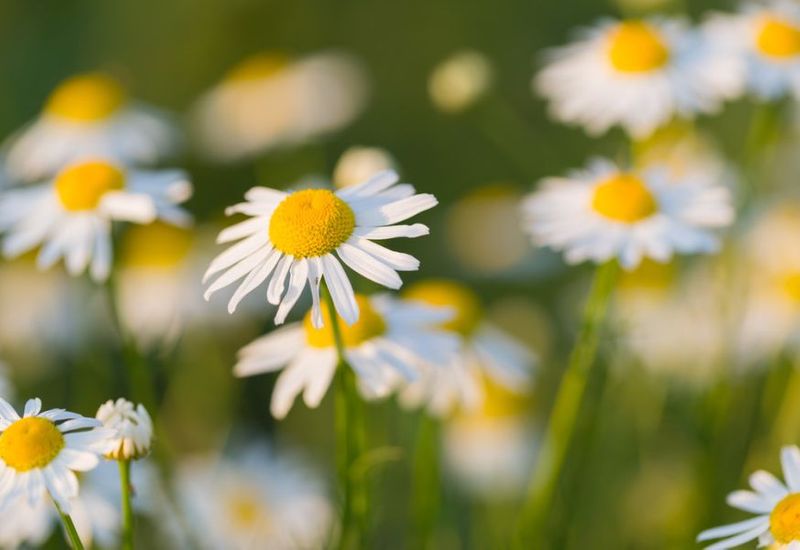
What Your Weed Control Services Should Provide During Summer
While 60% of potential home buyers believe that a well-maintained and landscaped yard plays a huge role in their home buying decisions, quality weed control services are vital. If you decide to hire a professional weed control service, an organic lawn fertilizer service, or some other kind of lawn maintenance professional, you should expect that the company is able to offer a few things.
Summertime is when lawns shine. Green and healthy grass is the objective of every homeowner during summer. So, what should you expect from your weed control service during treatments in the summer? Let’s explore a few of those expectations.
more
Understanding How Organic Lawn Fertilizer Can Help Your Lawn
The demand for organic lawn fertilizer has increased due to more consumers wanting to use environmentally safe products. Organic fertilizer has many advantages over synthetic products. It builds healthy soil and lawns, does not burn lawns, and provides a safe environment for your pets, family, and neighbors. It is made of natural materials, such as compost, wood, and manure. A green lawn will add value to your home or apartment community.
more
Increase Your Property Value With These Top Landscaping Tips
Upgrading your landscaping is one of the most efficient ways to increase the value of your home. Plus, 50% of homeowners who upgrade their landscaping and outdoor spaces spend six or more hours in those spaces per week! Using natural lawn fertilizer, organic fertilizer, and other products can help enhance the look of your lawn. Now that we know landscaping design can boost your curb appeal and property value, let’s take a look at five ways to upgrade your home’s landscaping.
more
5 Ways to Upgrade Your Landscaping Before You Sell Your Home
Once you have decided to sell your home, you might be tempted to abandon the yard since it won’t be yours anymore. However, that’s not the best idea. About 90% of all real estate agents advise homeowners to upgrade their landscaping before selling their homes. That’s because having a properly maintained yard can help you sell your home faster and for far more money.
Take a look at some landscaping hacks that will help you achieve that good first impression.
more
What Are the Differences Between Organic Lawn Care and Inorganic Lawn Care?
With over 67% of Americans believing that professional landscaping assistance would make their yards nicer. This means the world to a family who just wants to spend time outside together. How do you get a great lawn, though? Well, there is debate over organic lawn care and inorganic lawn care. So, what is the actual difference between the two, and what option is the best choice for you going forward?
more
3 Things You Need to Know About Organic Lawn Fertilizers
Everyone wants to be able to keep a lush and beautiful lawn. This isn’t always easy, however. There are tons of things to worry about, from weeds to the soil to wildlife. The advice on how to handle these issues can be overwhelming. One piece of advice that is incredibly important, though, is to invest in organic lawn fertilizers. Choosing an organic fertilizer is a great investment for your lawn and the environment at large. But what exactly are the benefits of using organic lawn fertilizers?
more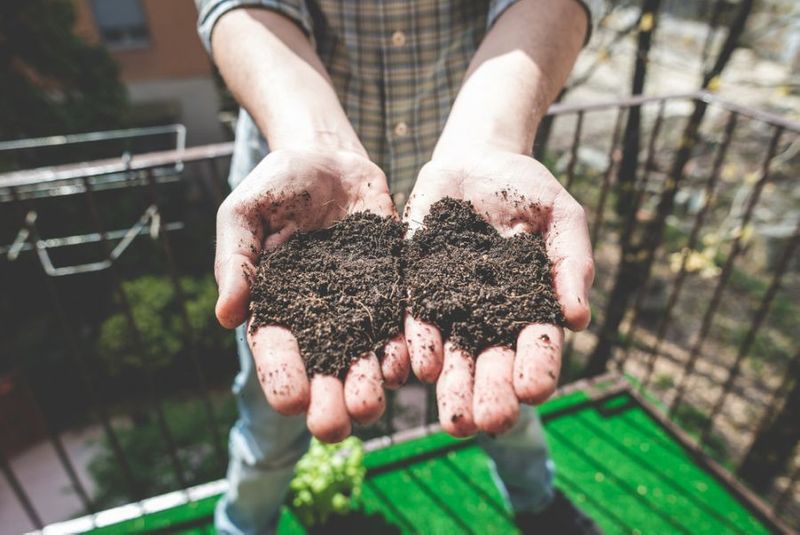
Understanding Different Kinds Of Ingredients In Organic Fertilizers
There’s beauty in a home that has a well-maintained lawn. In fact, studies show that 60% of potential home buyers believe that a well-landscaped yard helps to influence the home buying process. One of the best items for a lawn during landscaping season is organic fertilizers. However, when it comes to naming the ingredients in many of them, people have no idea. Let’s explore some of the most common ingredients that can be found in organic fertilizers and how those ingredients help strengthen a lawn.
more
Looking To Take Control Of Your Lawn’s Weeds On Your Own?
According to statistics, an estimated 67% of lawn and landscaping projects in the country involve single-family residential homes. Much of that involves homeowners who are looking to get rid of pesky and irritating weeds. Lots of homeowners will engage in DIY weed control. This can result in damage to an otherwise healthy lawn. Let’s look at some of the setbacks of DIY weed control efforts and why professional organic weed control services are best when it comes to preserving your lawn.
more
Best Natural Lawn Care Tips for Spring
With spring’s arrival, it’s time to get your yard in optimal shape. Approximately half of the homeowners who spruce up their outdoor spaces spend at least six hours or more per week there. Since you plan to spend more time outdoors, you can either do this work yourself or hire professional natural lawn care services. If you decide to take on the work yourself, here are the best natural lawn care tips for spring to get your yard in the best shape possible.
more
Questions You Should Ask Your Organic Lawn Service Provider
Organic lawn care services are becoming increasingly popular. Additionally, there are so many benefits to landscaping and maintaining your home’s lawn. Not only does your home look more uniformed and attractive, but a beautiful lawn can even increase the value of your property. In fact, studies show that roughly 90% of real estate agents encourage homeowners to invest in lawn and landscaping before selling their homes. Let’s examine some questions you should ask organic lawn care services before signing any contract.
more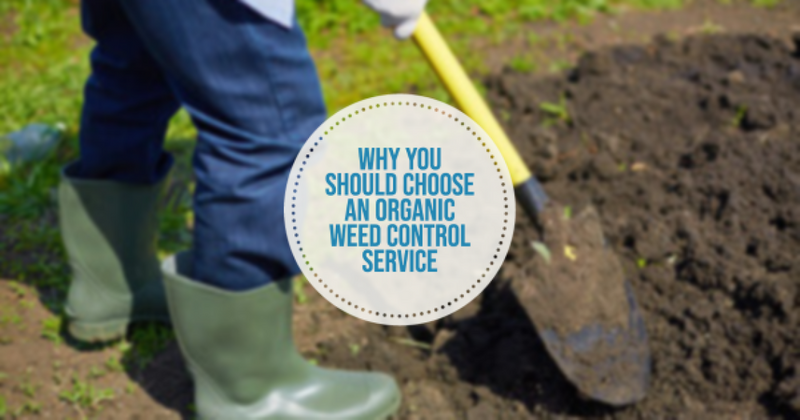
Why You Should Choose an Organic Weed Control Service
Did you know that almost three out of four Americans think it’s important to spend quality time outdoors in their yard? While the sentiment might be nice, a poorly maintained yard can have a negative impact on your ability to enjoy that outdoor space. This is why it’s so important to put the time and effort into organic lawn care services, which help keep a green lawn, free of brown spots and dirt patches.
more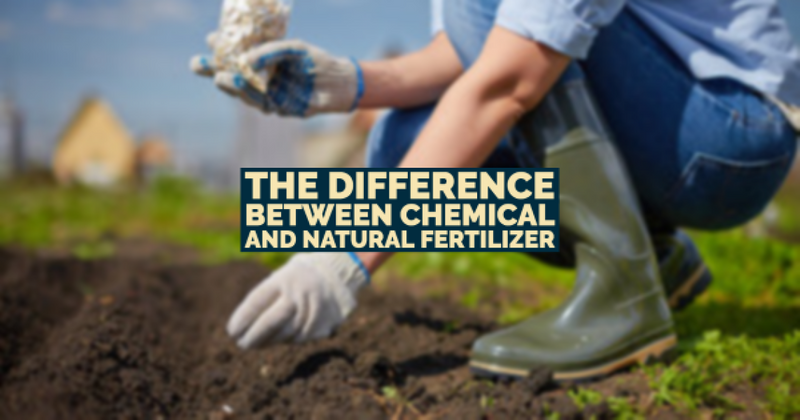
The Difference Between Chemical and Natural Fertilizer
Putting the effort into a great lawn is one of the best investments that you can make for your entire home. For starters, a great lawn offers a great chance to enjoy the outdoors and spend time with your family. Secondly, by putting as little as 5% of the value of your home into your lawn you can see a return on investment of as much as 150%. This means, whether you plan on living in your home for the next decade or want to move out, getting your lawn as lush and green as possible is vital to your property maintenance.
Most people turn to fertilizer to help get this done. However, there is a divide on whether to use a natural fertilizer or a chemical one. Like anything else in life, there is some give and take here, but most people look at natural fertilizer, also referred to as organic fertilizer. However, it’s worth knowing exactly what each one does.
more
3 Reasons to Choose Natural Fertilizer Over Chemical Fertilizer
Everyone wants a beautiful, green lawn. It’s something to take pride in while making your home more aesthetically pleasing than a dead or patchy lawn would be. In fact, a green lawn can have a massive impact on your home’s value and as many as 60% of potential home buyers say that a well-maintained lawn is vital to their home buying decision. Because of all of this, it’s important to maintain a healthy and strong lawn. However, knowing the best way to do this can be confusing, as there are tons of different types of fertilizer and methods to use to maintain a green lawn. That’s why it’s important to remember that using a natural fertilizer is not just more effective than using chemical fertilizer, it’s also better for the environment as a whole.
Here’s a look at just a few of the reasons why you should choose a natural fertilizer or liquid compost over an inorganic or chemical fertilizer.
more
Why Fertilizing Your Lawn Is Important
Keeping your lawn green and lush can be difficult. From the weather elements to pests and other enemies, you want to ensure that you use products and services that allow your lawn to be as healthy as possible. So let’s examine some reasons why it’s important to use natural lawn fertilizer for a healthy and green lawn.
more
Why Your Lawn Turned Brown
As a homeowner, you take great pride in keeping your lawn green and lush. Suddenly, you’re having to deal with grass that’s turning brown and is stressed. You’ve used organic fertilizer, liquid compost, and a host of other products; but you still have a brown lawn. Let’s examine some reasons that you have grass that’s crispy, crunchy, brown, and stressed.
more
Organic Lawn Service Company Insight on Nurturing a Lawn Organically
A recent survey conducted by Harris Poll for the National Association of Landscaping Professionals found that 67% of Americans find hiring professional landscapers would help them nurture a better yard. It’s especially the case for homeowners who have decided to go organic. While organic lawn care nurtures healthy, green grass, and soil, the process can be quite time-consuming. Enlisting the help of an organic lawn service is critical to understanding essential lawn care practices for nurturing it. We look at some of them.
more
5 Best Practices for Natural Lawn Care
A lush green and healthy lawn is the pride of every homeowner. Having realized the benefits of natural fertilizers, most Americans have ditched synthetic fertilizers in favor of organic lawn fertilizers. However, there’s more to organic lawn care than simply applying natural lawn fertilizers. The following best practices for organic lawn care will help you get and maintain a green lawn all year round.
more
3 Environmental Reasons to Choose Organic Weed Control Services
The practices of large farms are known to have a massive impact on the land, with the Dust Bowl being one of the most devastating examples of human effect on the environment. Now, of course, the Dust Bowl was brought on by years of over-farming and an untimely drought, but we have moved on from poor agricultural practices due to events like this. Of course, poor practices in how you maintain your lawn won’t create an event on the scale of the Dust Bowl, but they do have an impact on the environment around you. For this reason, natural lawn care is the smart choice, and these are three environmental reasons to choose organic weed control services.
more
How Natural Lawn Care Improves Soil Quality
A well-manicured lawn adds a home’s value while enhancing its curb appeal. A study on the features home buyers look for when buying property revealed that 60% of them make buying decisions based on a home’s landscape. Well, keeping a neat and weed-free lawn is no easy feat. Apart from regular weeding and mowing, soil quality plays a critical role in a lawn’s health. Without nutritious soil to feed and nurture the grass, you can only dream about a thriving lawn. For a long time, artificial fertilizers have been used to enhance the soil’s nutritional value. However, as more homeowners embrace natural lawn care practices, organic fertilizers have improved soil fertility without causing severe long-term effects. Before looking at other ways natural fertilizers enhance soil quality, it’s important to perform a soil test on your lawn to evaluate its health.
more
7 Benefits of Using Organic Fertilizers for Your Lawn
Organic lawn care services are becoming increasingly popular. More and more homeowners are adopting eco-friendly measures to help them maintain their lush yards and lawns. However, the debate between natural lawn fertilizers and chemical fertilizers still lingers on. While both transform your backyard to a beautiful green landscape, organic fertilizers report better results in the long term. Here are seven benefits of a organic lawn fertilizer over their chemical counterparts.
more
Simple Ways to Boost Your Curb Appeal This Spring
Spring is officially here, and many homeowners across the U.S. are heading out into their yards to boost their curb appeal by sprucing up their gardens and getting weeds under control. About 50% of homeowners who upgrade their outdoor spaces spend six or more hours there per week.
Fortunately, it’s not too hard to create an outdoor space you love to spend time in yourself. Here are a few simple ways you can give your home some instant curb appeal.
more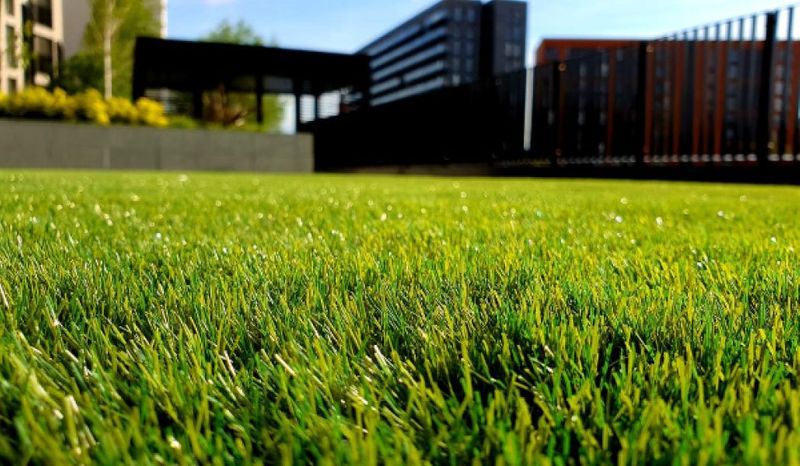
How Beneficial Is Organic Lawn Care?
Organic farming is well-known for being sustainable and environment-friendly because it causes the least harm to the environment. The use of organic practices in landscaping has also become popular because of the many benefits that these practices have for the landscape, pets, soil micro-flora, and people. The use of biodegradable compost and biological pest and weed control options can produce a healthy lawn in a cost-effective way.
This post presents to you the benefits of organic lawn care and how the use of organic practices is beneficial to you and your landscape.
more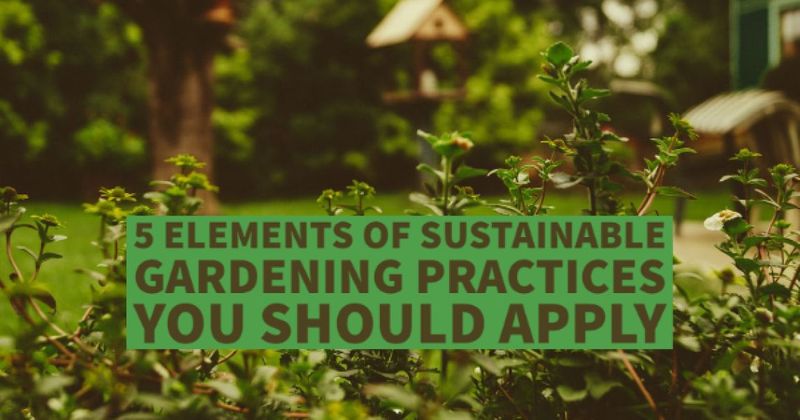
Sustainable Gardening Practices: 4+ Methods To Use (+ tips)
There has been a lot of talk on sustainable gardening in recent years. It is based on organic farming practices whose aim is to sustain and nourish the soil. It may also include other techniques that embrace sustainability when cultivating the soil or growing plants.
Sustainable gardening touches on many different aspects of farming. There are even natural lawn care services that have adopted some of the practices. In this article, we will be exploring some elements that make up sustainable gardening.
more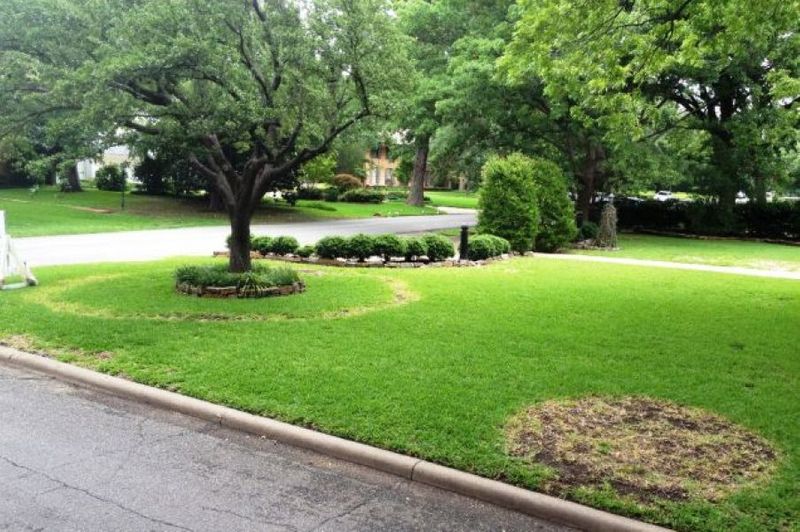
Weed Control Tips for your Beds and Garden
Keeping weeds at bay should be your top priority after having your yard perfectly landscaped. In fact, the final decision made by 60% of homebuyers is influenced by properly landscaped yards. Sure, weeding is a task that calls for commitment, but the end results is worth all the effort. It would be for your own good to know how to go about weed control. Here are detailed effective and safe ways to keep your garden weed-free.
more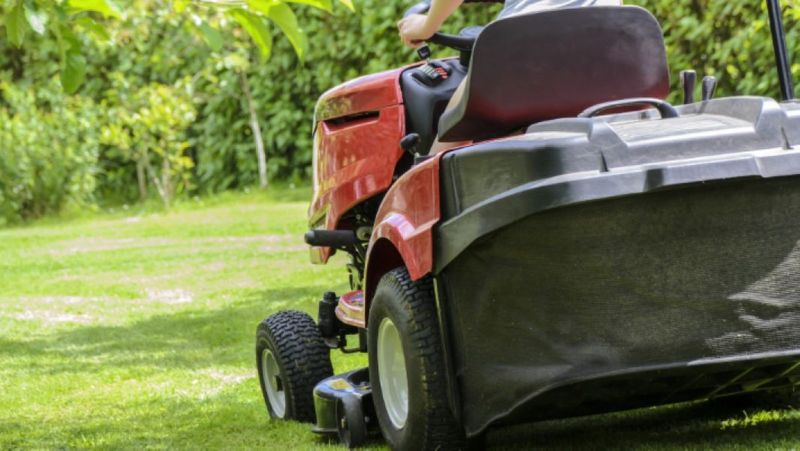
Natural Fertilizer- A Few Things You Should Know
Most gardeners are torn between chemical and natural fertilizer. Some think chemical fertilizer is better since it is quick and hassle-free to use, but most nature enthusiasts would swear by organic lawn care options. If you could ask the plants on your lawn what fertilizer they preferred, however, you’d be surprised to learn that they can’t really tell the difference. At the most basic level, nutrients are nutrients.
That said, there are notable features of natural fertilizer that sets it a step ahead of chemical fertilizer. Some of these include the number of nutrients available in natural fertilizers and their effects on the soil and plants.
more
Five Key Reasons to Use Natural Lawn Care
In the United States, over 67% of landscaping is done at single-family residential homes. However, if you’re considering investing in lawn care, it’s important to know the differences between chemical lawn care and natural lawn care. Some chemical fertilizers can have harmful side effects such as increased air pollution, waterway pollution, and the acidification and depletion of minerals in the soil. Natural fertilizers, on the other hand, aren’t created with potentially harmful chemicals, and instead benefit your lawn by giving it the natural nutrients it needs to thrive. To better understand how natural lawn care can benefit your home, keep reading to learn more.
more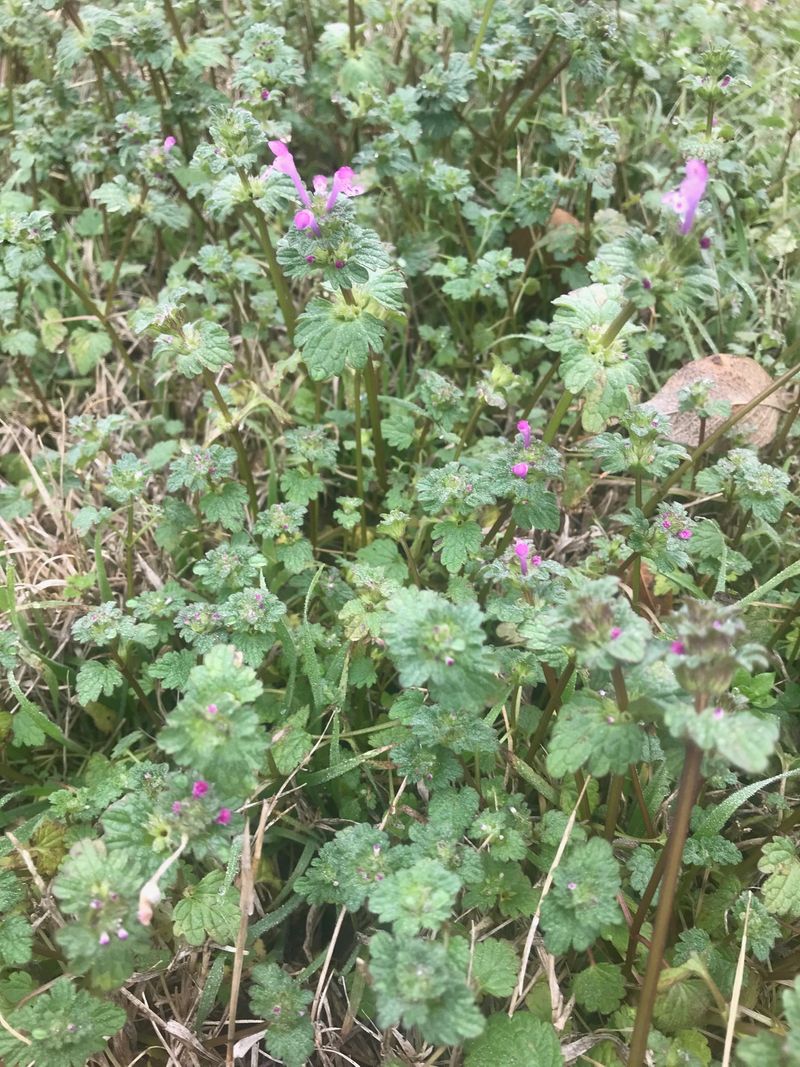
Winter Weed Series: Henbit
weed: /wēd/noun
a wild plant growing where it is not wanted and in competition with cultivated plants.
more
Welcome
Welcome to our site! We are in the process of building our blog page and will have many interesting articles to share in the coming months. Please stay tuned to this page for information to come. And if you have any questions about our business or want to reach out to us, we would love for you to stop by our contact page.
Thank you!
more